3D打印鞋从噱头变真赛道,全球市场约20亿美元
从“噱头”变真赛道 3D打印在鞋履行业辟出一个数十亿美元的新市场
3D打印鞋已从概念走向量产,全球市场规模约20亿美元、年增10%到20%,星世线国内年销20万双、爆款单品月销400万到600万元。材料综合价格较2020年下降超50%,但算上设备折旧、后处理人工和良率损失,综合制造成本仍比传统工艺高50%以上,产品定价100到300美元。电商已出现几十元注塑伪造品,需以一体成型、晶格透气等特征辨别。
韩笑 2026-11-04 20:30
韩笑 2026/11/04 20:30

邦小白快读
EN
总1:3D打印鞋已从概念变成可量产商品,最直观的看点是舒服、透气、一体成型。
1.制造逻辑:没有模具、没有缝线、没有流水线,整只鞋可从打印机里完整打印出来;DLP光固化精度高,博理HALS连续固化平均不到10分钟打印一双。
2.穿着体验:弹性体材料本身有弹性,晶格结构形成大量空气通道,兼顾减震和透气;外观简约,上脚试穿更容易感受舒适。
3.市场热度:全球3D打印鞋市场约20亿美元,每年增长10%到20%;星世线国内年销20万双,爆款单品月销400万到600万元。
总2:购买时可关注价格、渠道和避坑。
1.价格:常见价格100到300美元,国内几百到上千元;轻量简易款已可做到200多元。
2.渠道:展会可现场体验并借折扣下单,线下快闪店、慢闪店、集合店以及深圳湾万象城PollyFab等都可试穿。
3.避坑:有商家用注塑网眼鞋外观加实心中底伪造成3D打印鞋,电商只卖几十元;应留意一体成型、晶格透气等特征。
总1:3D打印鞋的品牌竞争已从技术噱头转向细分品类和用户体验。
1.定位:星世线抢占3D打印一体鞋心智,年销20万双,爆款进入抖音休闲鞋榜单前三;GEEXFOOT推板鞋,AC3D推人字拖,Spore推滑板鞋,用第一双等标签抢用户心智。
2.渠道:线上用电商品类关键词,线下开快闪店、慢闪店、集合店并进入高端商圈;展会通过展示讲解体验和折扣促成转化;出海方面星世线与意大利JO SYSTEM设联合研发中心并亮相米兰时装周,星奇尚以泰国为核心开发东南亚。
总2:定价、用户和营销是品牌经营重点。
1.成本与定价:材料综合价格较2020年下降超50%,但算上设备折旧、后处理人工和良率损失,综合制造成本仍比传统工艺高50%以上;产品定价100到300美元,国内几百到上千元,轻量款可到200多元。
2.用户:受众以三四十岁中产为主,偏热爱科技、乐于尝新者,男性消费者偏多;男性脚背偏高、透气需求强,晶格结构正好契合。
3.营销:行业酒香也怕巷子深,需要较高营销投入和市场教育;品牌可替消费者筛选产品、对抗几十元假货,产品ready后再攻渠道,从看到到穿上加速破圈。
总1:3D打印鞋是低渗透、高增长的新市场,机会集中在细分品类和出海。
1.市场:全球3D打印鞋约20亿美元,年增10%到20%,而全球鞋业约3650亿美元,渗透率低但空间大;星世线年销20万双、爆款月销400万到600万元,提供可参照样本。
2.机会:板鞋、拖鞋、人字拖、滑板鞋等细分标签仍待开拓,跑鞋、篮球鞋、靴子也有想象空间;东南亚气候炎热,透气拖鞋有需求,星奇尚海外营收约占40%,并与泰国利世集团合作开发东南亚。
总2:入局方式和风险需同步评估。
1.模式:3D打印一个模型即可小批量生产、零库存,无需重金开模,相当于只有一个供应商,买机器建厂还可自行制造;B端工厂或服务商可推出C端品牌,博理科技提供材料、设备、技术与设计并孵化下游。
2.风险:综合制造成本仍比传统高50%以上,价格偏高,受众以中产男性为主;电商出现几十元注塑伪造品,会伤害品类认知。
3.学习点:用展会体验、门店试穿、品类关键词和榜单做转化,先让产品ready再攻渠道,借品牌营销推广完成市场教育。
总1:3D打印把鞋类制造从开模、多供应商转向一体成型和小批量。
1.生产:传统鞋底分中底、大底和鞋垫,需要分别注塑;3D打印可二合一大底中底,甚至连鞋面一体打印,减少六七个零部件和多家供应商对接。
2.设计:DLP光固化精度高、表面光洁,可打印复杂镂空晶格和精细纹理;主流材料为柔性TPU,高端或光固化路线用光敏弹性树脂、专用发泡材料,晶格结构实现透气减震。
3.效率:博理HALS连续固化,成型速度是传统光固化的20到100倍,平均不到10分钟打印一双,已设计制造超5000款,累计为客户省模具费超1亿元。
总2:商业机会与数字化电商启示。
1.门槛:传统一套模具几十万至上百万,需几万至几十万双分摊成本,还有库存积压;3D打印一个模型零库存小批量,买机器建厂可自造。
2.成本:材料综合价格较2020年下降超50%,但设备折旧、后处理人工和良率损失使综合成本仍高50%以上,需优化后处理和良率。
3.电商:工厂可延伸做C端品牌,借电商品类关键词、抖音榜单、展会和线下体验做市场验证,慕小理、星奇尚均由B端工厂或服务商推出。
总1:3D打印鞋进入量产和品牌化阶段,服务机会在技术、量产与市场教育。
1.趋势:全球市场约20亿美元,年增10%到20%;Formnext设首届国际3D打印鞋履设计大奖,TCT亚洲展办3D打印鞋业高峰论坛,材料厂、设备厂、方案商和消费级厂商都在展出3D打印鞋。
2.技术:DLP光固化精度高,博理HALS连续固化提速20到100倍、不到10分钟一双;材料以柔性TPU为主,高端用光敏弹性树脂或发泡材料,晶格结构带来透气减震。
总2:客户痛点与解决方案。
1.痛点:量产难、舒服度不足、开模贵、库存压力大、综合成本仍高50%以上、假冒伪劣扰乱市场、消费者认知不足。
2.方案:提供材料、设备、技术、设计一体化基础设施并孵化下游厂商;用买手店PollyFab、门店快闪、展会和论坛聚合体验;帮品牌做品类关键词、营销推广和市场教育。
3.价值:一体成型降低制造门槛,一个模型可小批量零库存,服务商可连接工厂、品牌、渠道和海外合作,推动从技术展示走向大众消费。
总1:3D打印鞋为平台带来新品类招商和体验转化机会,同时要处理真假与认知问题。
1.需求:品牌需要曝光、体验和销售场景;展会现场展示、讲解、试穿加折扣容易促成下单,线下快闪店、慢闪店、集合店和高端商圈买手店是体验入口。
2.平台做法线索:电商平台已出现3D打印鞋品类关键词,星世线爆款单品进入抖音休闲鞋榜单前三;平台可用品类词、榜单和内容营销承接新品牌。
总2:运营管理与风向规避。
1.招商:可招星世线、GEEXFOOT、星奇尚、AC3D、慕小理等新锐品牌,也可连接博理科技等基础设施商以及创想三维、BIQU必趣等设备厂商。
2.运营:组织展会论坛、设计大奖、线下体验和集合店合作,推动用户从看到到穿上;用品牌筛选产品和教育消费者,提升新品类转化。
3.风险:几十元注塑网眼加实心中底的伪3D打印鞋混入电商,平台需识别治理,避免伤害品类信任;同时关注价格偏高、受众偏窄对复购的影响。
总1:3D打印鞋是增材制造走向大众消费的产业新动向,核心是制造逻辑和商业模式变化。
1.产业:全球3D打印鞋约20亿美元,年增10%到20%,全球鞋业约3650亿美元,渗透率低但空间大;行业从耐克、阿迪达斯等部分结构试验,转向星世线等细分品牌赛道。
2.技术:DLP光固化与博理HALS连续固化,速度提升20到100倍、不到10分钟一双;柔性TPU、光敏弹性树脂、发泡材料和晶格结构带来透气减震。
3.制造:一体成型减少零部件和供应商,免开模、小批量、零库存,显著降低入局门槛。
总2:新问题与启示。
1.经济性:材料价较2020年降超50%,但综合成本仍比传统高50%以上,价格100到300美元,受众偏三四十岁中产和男性。
2.市场问题:细分品类抢位、出海意大利和东南亚、B端基础设施孵化C端品牌、买手店聚合;假冒伪劣和标准规范待解。
3.启示:品类需品牌营销和市场教育,展会论坛奖项、门店体验可加速破圈;政策法规层面可关注产品标准、知识产权和电商治理。
返回默认
声明:快读内容全程由AI生成,请注意甄别信息。如您发现问题,请发送邮件至 run@ebrun.com 。
我是 品牌商 卖家 工厂 服务商 平台商 研究者 帮我再读一遍。
更多推荐
Summary 1: 3D-printed shoes have moved from concept to mass-producible products. The most immediate appeal is comfort, breathability, and one-piece construction.
1. Manufacturing logic: no molds, no stitching, and no assembly line; a whole shoe can be printed complete from a printer. DLP stereolithography offers high precision, and Boli HALS continuous curing can print a pair in under 10 minutes on average.
2. Wearing experience: elastomer materials are inherently elastic, while lattice structures create numerous air channels, balancing shock absorption and breathability. The design is minimalist, and comfort is easier to feel when tried on.
3. Market heat: the global 3D-printed shoe market is about USD 2 billion, growing 10% to 20% annually. Xingshixian sells 200,000 pairs annually in China, with a hit product generating monthly sales of RMB 4 million to 6 million.
Summary 2: When buying, focus on price, channels, and pitfalls.
1. Price: common prices range from USD 100 to 300, or several hundred to over RMB 1,000 in China; lightweight basic models can already cost around RMB 200.
2. Channels: trade shows allow hands-on experience and discounts for on-site orders; offline pop-up stores, slow pop-ups, multi-brand stores, and locations such as PollyFab at Shenzhen Bay MixC all offer try-ons.
3. Pitfalls: some merchants fake 3D-printed shoes by using injection-molded mesh uppers with solid midsoles, sold on e-commerce for just tens of RMB; look for features such as one-piece molding and lattice breathability.
Summary 1: Brand competition in 3D-printed shoes has shifted from technical gimmicks to subcategories and user experience.
1. Positioning: Xingshixian is claiming the mindshare for one-piece 3D-printed shoes, selling 200,000 pairs annually, with a hit product entering the top three of Douyin's casual shoe rankings; GEEXFOOT pushes board shoes, AC3D pushes flip-flops, and Spore pushes skate shoes, using labels such as "first pair" to capture user mindshare.
2. Channels: online, brands use e-commerce category keywords; offline, they open pop-up stores, slow pop-ups, and multi-brand stores and enter high-end commercial districts. At trade shows, demonstrations, explanations, experiences, and discounts drive conversion. Overseas, Xingshixian has set up a joint R&D center with Italy's JO SYSTEM and appeared at Milan Fashion Week, while Xingqishang develops Southeast Asia with Thailand as its core.
Summary 2: Pricing, users, and marketing are key priorities for brand operations.
1. Cost and pricing: composite material prices have fallen by more than 50% versus 2020, but including equipment depreciation, post-processing labor, and yield losses, overall manufacturing costs remain more than 50% higher than traditional processes. Products are priced at USD 100 to 300, or several hundred to over RMB 1,000 in China, with lightweight models at around RMB 200.
2. Users: the audience is mainly middle-class people in their 30s and 40s who love technology and are willing to try new things, with more male consumers. Men tend to have higher insteps and strong breathability needs, which lattice structures fit well.
3. Marketing: even good products need visibility, requiring relatively high marketing investment and market education. Brands can screen products for consumers and counter fake goods sold for tens of RMB; they should get products ready before attacking channels, accelerating the leap from seeing to wearing.
Summary 1: 3D-printed shoes are a low-penetration, high-growth new market, with opportunities concentrated in subcategories and overseas expansion.
1. Market: the global 3D-printed shoe market is about USD 2 billion, growing 10% to 20% annually, while the global footwear industry is about USD 365 billion. Penetration is low but the space is large. Xingshixian sells 200,000 pairs annually and a hit product generates RMB 4 million to 6 million in monthly sales, offering a reference case.
2. Opportunities: subcategory labels such as board shoes, slippers, flip-flops, and skate shoes remain underdeveloped; running shoes, basketball shoes, and boots also have room. Southeast Asia's hot climate creates demand for breathable slippers. Xingqishang derives about 40% of revenue overseas and has partnered with Thailand's Lishi Group to develop Southeast Asia.
Summary 2: Entry modes and risks need to be assessed together.
1. Model: 3D printing allows small-batch production and zero inventory from a single model, without heavy mold investment. It effectively means only one supplier; buying machines and building a factory allows self-manufacturing. B2B factories or service providers can launch consumer brands, and Boli Technology provides materials, equipment, technology, and design while incubating downstream players.
2. Risks: overall manufacturing costs remain more than 50% higher than traditional methods, prices are relatively high, and the audience is mainly middle-class men. Injection-molded fakes sold for tens of RMB have appeared on e-commerce platforms, which could damage category perception.
3. Learning points: use trade-show experiences, in-store try-ons, category keywords, and rankings to drive conversion; get products ready before attacking channels; and leverage brand marketing to complete market education.
Summary 1: 3D printing shifts footwear manufacturing from mold-making and multiple suppliers to one-piece molding and small batches.
1. Production: traditional soles are divided into midsoles, outsoles, and insoles, requiring separate injection molding. 3D printing can combine outsole and midsole, or even print the upper and sole as one piece, reducing six or seven components and the need to coordinate with multiple suppliers.
2. Design: DLP stereolithography offers high precision and smooth surfaces, enabling complex hollow lattice structures and fine textures. The mainstream material is flexible TPU; high-end or stereolithography routes use photosensitive elastic resins and specialized foaming materials. Lattice structures deliver breathability and shock absorption.
3. Efficiency: Boli HALS continuous curing is 20 to 100 times faster than traditional stereolithography, printing a pair in under 10 minutes on average. It has designed and manufactured more than 5,000 styles and saved customers over RMB 100 million in mold costs cumulatively.
Summary 2: Business opportunities and lessons for digital commerce.
1. Barriers: a traditional mold set costs hundreds of thousands to over a million RMB and requires tens of thousands to hundreds of thousands of pairs to amortize, plus inventory buildup. 3D printing enables zero-inventory small batches from one model; buying machines and building a factory allows self-manufacturing.
2. Cost: composite material prices have fallen by more than 50% versus 2020, but equipment depreciation, post-processing labor, and yield losses keep overall costs more than 50% higher, requiring optimization of post-processing and yields.
3. E-commerce: factories can extend into consumer brands, using e-commerce category keywords, Douyin rankings, trade shows, and offline experiences for market validation. Muxiaoli and Xingqishang were both launched by B2B factories or service providers.
Summary 1: 3D-printed shoes have entered the mass-production and branding stage, with service opportunities in technology, mass production, and market education.
1. Trends: the global market is about USD 2 billion, growing 10% to 20% annually. Formnext has established the first international 3D-printed footwear design award, TCT Asia holds a 3D-printed footwear summit, and materials companies, equipment makers, solution providers, and consumer brands are all exhibiting 3D-printed shoes.
2. Technology: DLP stereolithography offers high precision; Boli HALS continuous curing is 20 to 100 times faster and can produce a pair in under 10 minutes. Materials are mainly flexible TPU, with high-end products using photosensitive elastic resins or foaming materials. Lattice structures provide breathability and shock absorption.
Summary 2: Customer pain points and solutions.
1. Pain points: mass production is difficult, comfort is insufficient, mold costs are high, inventory pressure is heavy, overall costs remain more than 50% higher, counterfeit products disrupt the market, and consumer awareness is low.
2. Solutions: provide integrated infrastructure for materials, equipment, technology, and design and incubate downstream manufacturers; aggregate experiences through the buyer store PollyFab, in-store pop-ups, trade shows, and forums; help brands with category keywords, marketing, and market education.
3. Value: one-piece molding lowers manufacturing barriers, a single model enables small-batch zero-inventory production, and service providers can connect factories, brands, channels, and overseas partners, moving the category from technology demonstrations to mass consumer adoption.
Summary 1: 3D-printed shoes bring platforms opportunities for new-category recruitment and experience-driven conversion, while also requiring handling of authenticity and awareness issues.
1. Demand: brands need exposure, experience, and sales scenarios. Trade-show demonstrations, explanations, try-ons, and discounts make it easier to close orders; offline pop-up stores, slow pop-ups, multi-brand stores, and buyer stores in high-end commercial districts are experience gateways.
2. Platform approach clues: e-commerce platforms already show 3D-printed shoe category keywords, and Xingshixian's hit product has entered the top three of Douyin's casual shoe rankings. Platforms can use category terms, rankings, and content marketing to onboard new brands.
Summary 2: Operations management and trend risk avoidance.
1. Recruitment: platforms can recruit emerging brands such as Xingshixian, GEEXFOOT, Xingqishang, AC3D, and Muxiaoli, and connect infrastructure providers such as Boli Technology and equipment makers such as Creality and BIQU.
2. Operations: organize trade-show forums, design awards, offline experiences, and multi-brand store partnerships to move users from seeing to wearing; use brands to screen products and educate consumers, improving conversion for the new category.
3. Risks: fake 3D-printed shoes made from tens-of-RMB injection-molded mesh with solid midsoles are mixing into e-commerce, and platforms need to identify and govern them to avoid damaging category trust. Also monitor the impact of relatively high prices and a narrow audience on repeat purchases.
Summary 1: 3D-printed shoes are a new industrial development in additive manufacturing's move toward mass consumer markets; the core is changes in manufacturing logic and business models.
1. Industry: the global 3D-printed shoe market is about USD 2 billion, growing 10% to 20% annually, while the global footwear industry is about USD 365 billion. Penetration is low but the space is large. The industry is shifting from partial structural experiments by Nike and Adidas to subcategory tracks led by brands such as Xingshixian.
2. Technology: DLP stereolithography and Boli HALS continuous curing increase speed by 20 to 100 times, producing a pair in under 10 minutes. Flexible TPU, photosensitive elastic resins, foaming materials, and lattice structures deliver breathability and shock absorption.
3. Manufacturing: one-piece molding reduces components and suppliers, eliminates mold-making, and enables small batches and zero inventory, significantly lowering entry barriers.
Summary 2: New issues and implications.
1. Economics: material prices have fallen by more than 50% versus 2020, but overall costs remain more than 50% higher than traditional methods. Prices are USD 100 to 300, and the audience skews toward middle-class people in their 30s and 40s and toward men.
2. Market issues: subcategory positioning, overseas expansion into Italy and Southeast Asia, B2B infrastructure incubating consumer brands, and buyer-store aggregation; counterfeits and standards still need to be addressed.
3. Implications: the category needs brand marketing and market education; trade-show forums and awards and in-store experiences can accelerate mainstream adoption. At the policy and regulatory level, attention should be paid to product standards, intellectual property, and e-commerce governance.
Disclaimer: The "Quick Summary" content is entirely generated by AI. Please exercise discretion when interpreting the information. For issues or corrections, please email run@ebrun.com .
I am a Brand Seller Factory Service Provider Marketplace Seller Researcher Read it again.
More Recommend
3D打印鞋被越来越多人穿上脚。
文丨韩笑 编辑丨何洋
【亿邦原创】没有模具、没有缝线、没有流水线,一整只鞋,可以从打印机里完整地“长”出来。制造逻辑变了,3D打印鞋也从概念性产品变成了真正可量产的商品。
“现在早已过了把3D打印当噱头挣钱的阶段。之前强调定制是因为做不到批量生产。”3D打印鞋基础设施提供商博理科技的创新业务总监王腾向亿邦动力表示,“3D打印做鞋,最核心的优势就是舒服,这跟所有人买鞋的考虑是一致的。”
这样的判断或许可以作为3D打印鞋正迎来“爆发元年”的一个注脚。
早在2010年代,耐克、阿迪达斯等传统鞋履品牌就已开始尝试用3D打印制造鞋子的部分结构,时尚品牌也将3D打印作为通往未来的重要创新技术。但随着量产技术取得突破、品类普及度逐步提高,现在,3D打印鞋正从大牌玩家的技术试验场,成长为一个细分品牌赛道。
2020年成立的3D打印鞋履品牌星世线STARAY,最早在电商平台创建了“3D打印鞋”的品类关键词,目前其国内年销量已达20万双,爆款单品以月销售额400万-600万元的体量跻身抖音休闲鞋榜单前三,为行业提供了一个可参照的样本。
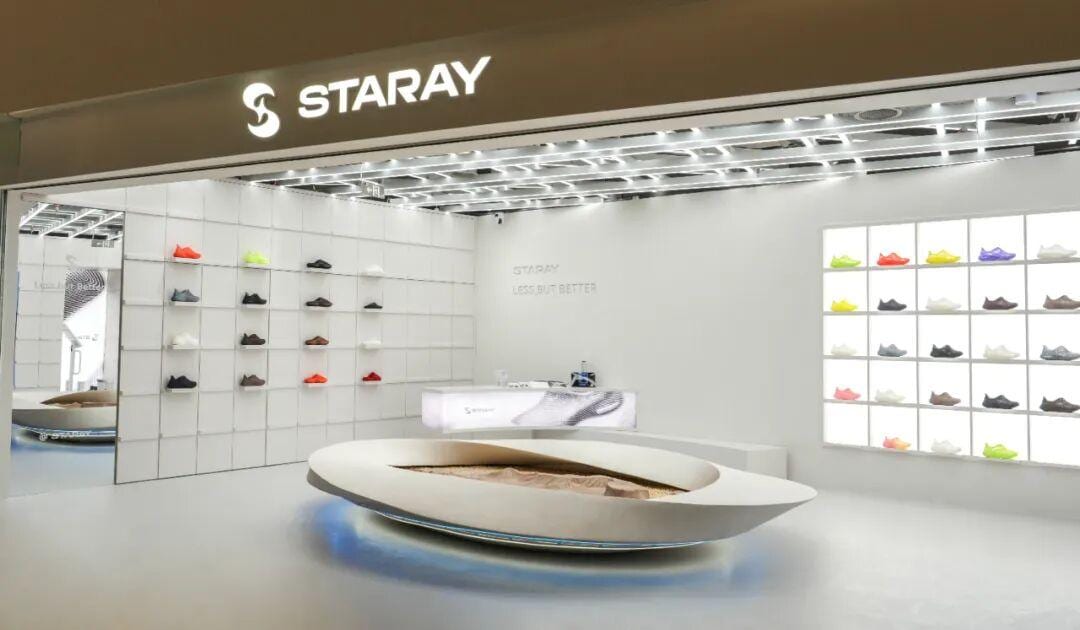
星世线STARAY门店
更多类似品牌也在近两年如雨后春笋般出现,GEEXFOOT、星奇尚、AC3D、慕小理、耐途亚......各家纷纷以细分鞋类为切口,用“第一双3D打印板鞋”、“第一双3D打印拖鞋”、“首个带鞋带的3D打印鞋”等品类标签抢占用户心智,争夺这片蓝海市场。此外,包括创想三维、BIQU必趣、旭利三维、中科三维等设备厂商也在涉足3D打印鞋履市场。
“现在品牌纷纷下场,下一步你就能在街头、门店乃至更广阔的网络渠道看到和体验到产品。只要用户有机会体验,转化率一定会上去。3D打印鞋的进一步破圈指日可待。”王腾谈道。
从行业展会到线下门店,3D打印鞋开启“破圈”之路
3D打印鞋的火热从行业展会上可以直观感受到。更早的3D打印展会上,企业们的展品还集中在齿科、汽车、航天等领域,但现在,鞋子,成了展会上最吸睛、最热门的产品,也是3D打印技术走入大众消费市场的重要突破口。不管是材料厂、设备厂、解决方案提供商还是消费级3D打印厂商,都会展出自己的3D打印鞋。
今年8月底,作为增材制造领域的行业盛会,Formnext展会还举办了首届国际3D打印鞋履设计大奖;10月中旬,另一场3D打印与增材制造专业展会TCT亚洲展用一整天的时间开展了3D打印鞋业高峰论坛。3D打印鞋接棒“3D打印农场”,站上圈内话题中心。

Formnext展会的3D打印鞋
当然,展会也是个很好的销售场景。现场展示、讲解、体验,再加上折扣吸引,很容易促成下单转化。而且,由于是从3D打印机中一体打印出来的,3D打印鞋的外观大多比较简约,没有繁复的设计和花纹,虽看上去平平无奇,但上脚试穿就很容易感受到它的透气和舒适。
这种透气和舒适很大程度来自于使用的弹性体材料。目前,主流的3D打印鞋主要采用柔性热塑性聚氨酯(TPU),部分高端或光固化路线则使用光敏弹性树脂或专用发泡材料。这些材料本身具有良好的弹性,可以达到减震的效果,而打印成晶格结构(微小单元组成的镂空蜂窝网络)打开了大量空气通道,实现材料本身无法做到的透气性。
在打印技艺上,不同于消费级3D打印机常用的FDM(熔融沉积)技术,3D打印鞋主要采用DLP光固化工艺。光固化利用的是液态树脂遇到紫外光会变硬的原理,一层一层用光“盖章”打印成型。DLP(数字光处理)是光固化的一种,把三维模型的每一层截面图像,以紫外光一次性投射到液态光敏树脂表面,逐层堆叠出实体。这种打印方式精度高,表面光洁,可以把鞋底复杂镂空晶格和精细纹理打出来。
在DLP的基础上,博理科技自2017年成立以来自主研发了HALS(Hindered Asynchronous Light Synthesis,受限异步光合成)技术。DLP是逐层打印的间歇式固化,而HALS实现了连续固化成型,因此成型速度达到传统光固化的20到100倍,可以在平均不到10分钟的时间打印出一双鞋,很大程度上解决了3D打印鞋的量产难题。凭借技术突破,博理科技构建起覆盖材料、设备、技术与设计的一体化3D打印鞋基础设施,并孵化了大量下游3D打印厂商和品牌。
今年10月,博理科技旗下3D打印买手店PollyFab(博物制)在深圳湾万象城开业。PollyFab聚合了设计师与消费品牌的3D打印制品,包括3D打印鞋、配饰、家居摆件与文创产品等。深圳是众多科技新品首发的地点,在同一个商场还坐落着拓竹科技的首家旗舰店,PollyFab让3D打印鞋出现在高端商圈,也意味着3D打印技术正进一步走向大众消费体验。
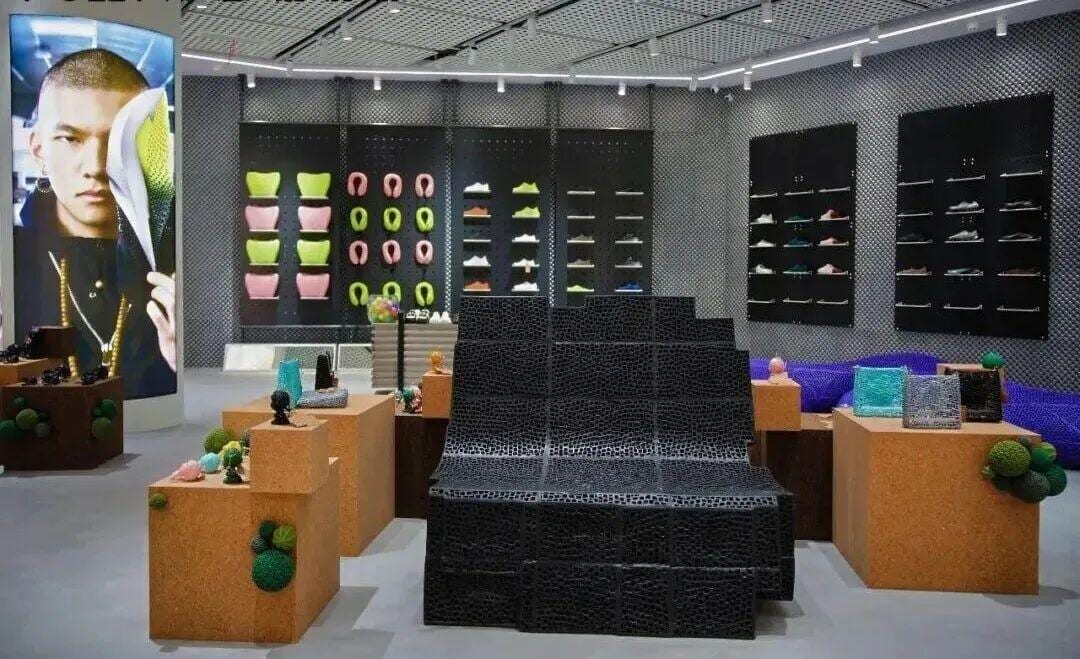
PollyFab(博物制)
让科技走进日常,门店同样是重要的3D打印鞋体验入口,在推广普及、培育市场认知方面发挥着关键作用。作为头部品牌,星世线STARAY也在布局线下渠道,目前在全国多地开设有快闪店和慢闪店,并入驻了多个品牌集合店。
3D打印为何能在鞋业开枝散叶?
鞋履并不是3D打印唯一能够制作的消费品,在3D打印体验店,你能看到弹力球、颈枕、座椅、文创、手办等各种产品。但目前,鞋履却成了3D打印最先大规模落地和破圈的领域。
最大的原因在于,这是一个刚需且相对高频的品类,有足够大的市场作支撑。全世界80亿人,假设每人一年买三双鞋,全球就需要生产240亿双,企业哪怕只占据1%的份额都有足够的体量。
数据显示,目前,全球3D打印鞋市场约20亿美元(包含3D打印鞋模、3D打印鞋底、3D打印一体鞋等),每年增长10%–20%,而全球鞋业规模约为3650亿美元。虽然3D打印鞋整体渗透率微不足道,但未来想象空间巨大。
而且鞋子是一个能容纳表达和设计的产品,从诞生之初就不只是保护脚的功能品,还融合了身份、地位、品味等意涵。最早的鞋子是约公元前3000年古埃及的牛皮凉鞋,意大利将这门工艺发展至巅峰,从手艺变成品味与阶层的象征。意大利的手工皮鞋也闻名全球,诞生了Ferragamo、Gucci、Prada等奢侈大牌。
直到现在,意大利也是最先应用3D打印鞋的国家之一,因而也是鞋类企业出海的重要目的地。2025年,星世线就与意大利JO SYSTEM成立联合研发中心,并通过米兰时装周让3D打印鞋进入当地视野。
除了鞋子本身的特性,第二个原因是弹性体材料在鞋履的应用贯穿了其几十年的发展历史,早有各大国际品牌进行相关尝试,3D打印的出现只是承接了这一历史传统。比如,New Balance在1970年代就用EVA(乙烯-醋酸乙烯酯共聚物,一种常见的塑料/弹性材料)中底把弹性泡沫变成跑鞋标配;Asics(亚瑟士)在1986年把αGEL硅基凝胶嵌入中底,证明软弹性体可以系统进入鞋底;耐克在1979年用聚氨酯膜包裹气体的Air气垫,验证了弹性结构的缓震效果......
但3D打印对鞋业最大的改造,不在于改变鞋子某些部件的生产方式,而在于通过一体成型降低了制造门槛。最典型的例子就是中底和大底的一体成型。传统的鞋底分为中底、大底和鞋垫,中底在鞋垫下方,主要负责吸收冲击、回弹、支撑和稳定;大底是鞋底最下面直接接触地面的那一层,主要负责耐磨、防滑、抓地和保护中底。传统的注塑工艺需要分别制造,而3D打印可以实现二合一。更进一步的一体鞋则是连同鞋面直接打印出整只鞋子。
从产业的角度讲,这样的一体成型意义重大。王腾解释,相比迭代迅速、新品牌层出不穷的服装,鞋子的生产门槛一向很高——一双鞋涉及六七个零部件,需要对接六七家供应商。传统注塑须先开模再加工,一款鞋10多个尺码,一套模具几十万至上百万,必须做到几万至几十万双才能分摊成本上市。而且鞋子款式存在“命中率”,卖不出去就会形成库存积压。
相比之下,3D打印鞋只需一个模型就可实现零库存的小批量生产,相当于只有一个供应商,如果买机器建厂甚至可以自行制造,也无需重金开模具,入局的门槛被大大降低。
博理科技是推动3D打印技术在鞋履落地的重点企业之一,其依托自主研发的HALS超高速光固化技术和专用高性能弹性体材料,实现了3D打印一体鞋的规模化制造。据王腾介绍,博理科技设计和制造的鞋履款式超过5000款,累计为客户节省模具费用就超过了1亿元。

博理科技旗下的3D打印鞋
“这是一个酒香也怕巷子深的行业,没有几个亿都很难让大家看到你的产品。在这种背景下有新兴品牌做起来了,大家看到这个东西有利可图,而且中国品牌也目睹了国际品牌的成功。我们能感受到这两年很多企业表现出极大的兴趣和诚意投入到3D打印鞋中去。”王腾谈道。
新锐品牌跑马圈地,抢占细分鞋履品类
“2023年之前,虽然也能打出3D打印鞋,但大多数鞋穿着都不舒服,2023年之后才真正出现了能量产而且质量不错的鞋子。”3D打印服务商京红果的品牌负责人王紧跟回忆道。看中这样的市场机会,京红果也从艺术装置领域切入消费品,2025年成立了慕小理品牌,推出了系鞋带的3D打印鞋。
3D打印制鞋工艺确实提升了许多,但作为一项新技术,和传统制鞋工艺的成熟度还有很大差距。数据显示,3D打印鞋的材料综合价格较2020年已下降超过50%。但算上设备折旧、后处理人工和良率损失,其综合制造成本仍比传统工艺高50%以上。
更高的成本也反映在了定价上。目前,3D打印鞋的价格通常在100到300美元之间,国内售价在几百到上千元。这也决定了它的受众一般以三四十岁的中产群体为主。据星世线市场部同事介绍,星世线的用户多为热爱科技、乐于尝试新鲜事物的人群。据观察了解,一般男性消费者偏多,即便是女性购买,最终使用者多为男性。这与男性脚背普遍偏高、对透气性需求更强等都有一定关系,3D打印鞋的晶格结构恰好能满足这类需求。
一些重量轻、款式简易的鞋子已经通过优化成本做到200多元的定价。星奇尚品牌创立于2025,是一家总部位于扬州的新锐3D打印鞋履品牌。据其创始人米姐介绍,星奇尚产品的价格价格在200多至900多不等,拖鞋的价格在200元左右,居家、旅行款集中在600元,而适合户外的款式则在八九百元。
目前,星奇尚的海外营收占比约为40%,涉及欧美、东南亚等地。米姐表示,东南亚气候炎热,3D打印鞋的透气性恰好可以满足当地消费者需求,适合销售拖鞋等简易款式的3D打印鞋。星奇尚已与泰国利世集团达成合作,计划以泰国为核心开发东南亚市场。
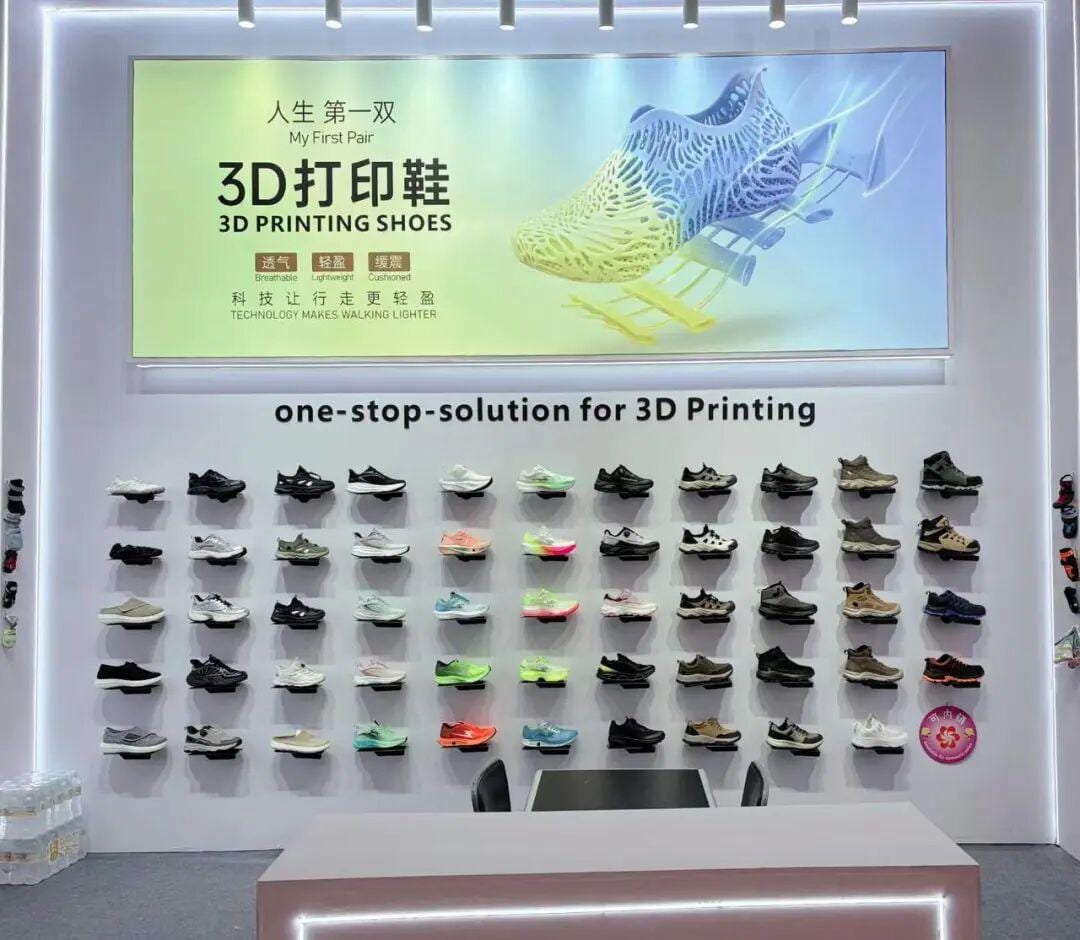
星奇尚的广交会展位
像慕小理、星奇尚这样的品牌,均由原本面向B端的3D打印工厂或服务商推出。随着3D打印鞋加速走向大众市场,C端市场进入了抢占用户心智、争夺市场份额的阶段。甚至博理科技也推出了3D打印鞋品牌博物志。
细分品类也是各家品牌争夺的一个重点。比如成立于2023年的品牌GEEXFOOT戟风推出了首款3D打印板鞋Calm,2024年成立的品牌AC3D做出了较为少见的人字拖3D打印鞋,美国设计师品牌Spore推出了全球首款3D打印滑板鞋。
如果说,对标雪地靴品牌UGG、洞洞鞋品牌Crocs,星世线已率先抢占3D打印一体鞋品类的用户心智,那么更广阔的3D打印细分鞋履品类仍亟待开拓。未来未必不会出现3D打印跑鞋、3D打印篮球鞋、3D打印靴子等等。
此外,越来越多3D打印品牌的涌现也有望推动市场走向规范。据王腾观察,3D打印鞋出圈也让假冒伪劣商品大行其道。一些商家用注塑工艺做出有网眼的鞋外观,插进一个实心的中底伪造成3D打印鞋,在电商平台上只卖几十元,也骗过了很多不了解的消费者。
品牌的出现不仅可以起到替消费者筛选产品的作用,也在通过营销推广和市场教育推动品类走向破圈。“首先产品上要非常ready,然后渠道再攻破。品牌可以通过更高的营销投入让大家看到3D打印鞋,从眼睛看到到脚穿上,破圈就加速了。”
亿邦持续追踪报道该情报,如想了解更多与本文相关信息,请扫码关注作者微信。

本文首发于 亿邦动力 官方网站
文章来源:亿邦动力
来源:亿邦跨境 · m.ebrun.com