Amazon FBA 上线策略:如何选货代并准备 Brand Registry
Amazon FBA Launch Strategy: Choosing a Freight Forwarder & Brand Registry
亚马逊 FBA 卖家在生产阶段就应启动 Brand Registry 准备,需具备目标站点认可的注册商标(如 USPTO、EUIPO、UKIPO)、商标所有者与运营主体的关系文件、真实产品与包装照片,以及申请前 6 个月内开具的供应商发票或采购订单。
Once sellers choose a manufacturer to start their Amazon business, it is time to build up the rest of the FBA launch strategy, including picking a freight forwarder and preparing the Brand Registry setup.
This is part three of a checklist we have written from our experience leading product launches.
Related articles:
- How to Start on Amazon FBA: Product Research, Restricted Categories, Barcodes & Finding Suppliers on Alibaba
- How to Start on Amazon: FBA Shipping Requirements, Purchase Orders, Incoterms, Duties & Packaging
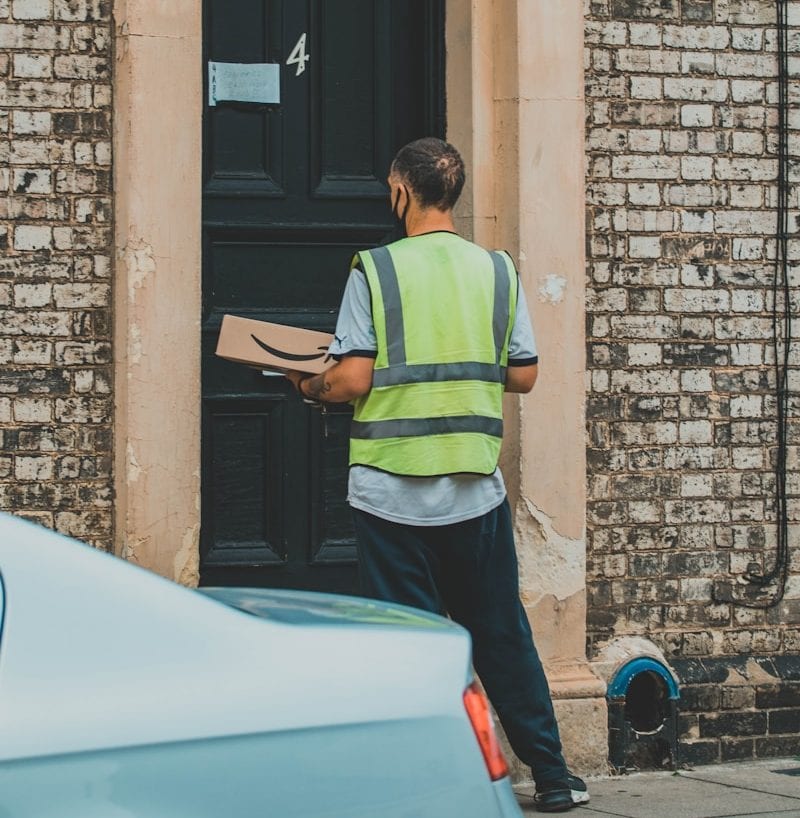
Before Launching: Hire a Quality Inspection
We always recommend sellers to hire an independent third-party quality inspector to check on the manufacturer’s working process.
Too many cases end with the manufacturer delivering a result that is not remotely equal to what was promised or sampled.
In part two, we also stress the importance of having your manufacturer sign a document stating all technical details about materials & workmanship of your golden sample. That way, your customers get the same quality that convinced you.
The quality inspection is a continuation of that process. Especially if the manufacturer is international.
Your supplier agreement should state that production has to comply with the agreed quality specifications and AQL (Acceptable Quality Limit) standards.
Clauses to include in the supplier agreement:
- Production must comply with the agreed quality specifications and AQL standards.
- If the initial inspection fails, the supplier is responsible for corrective action.
- Subsequent inspections resulting from the failed inspection should be paid by the supplier.
- Re-inspections should be performed by the same independent inspection company selected by the buyer whenever possible.
What Does a Quality Inspection Include?
It depends on the product type. It can include:
- Product quality inspection.
- Functional testing.
- Packaging inspection.
- Barcode verification.
- Label verification.
- Case-pack verification.
- Carton quantity verification.
- Amazon prep and packaging compliance.
Since you’ll be selling on Amazon, it’s especially important to ensure the FBA box labels & case packs comply with the marketplace’s guidelines. So if your goods ship from the factory directly to Amazon, then including Amazon prep & packaging compliance in the quality inspection is the most important factor of all.
How to Choose an Amazon FBA Freight Forwarder
We recommend you hire a forwarder with real experience in both the manufacturing country and the destination country.
An Amazon FBA freight forwarder in China who has never cleared into the US, or a domestic broker who has never dealt with a Chinese origin port, may cost you a delay.
- Non-negotiable: your logistics provider must have worked with Amazon before. Amazon’s shipment guidelines and labeling requirements are very specific.
Before you book, clarify responsibility for:
- Export clearance.
- Customs clearance.
- Duties.
- Importer of Record.
- Final-mile transportation.
- Amazon delivery appointments.
Whenever commercially viable, prioritize ocean freight since it’s much more economical.

Air freight is substantially faster but more expensive. We recommend using it strategically for launch deadlines or urgent replenishments.
Ocean Freight: LCL vs FCL
There are two most common ocean-freight structures:
LCL – Less than Container Load
Your cargo shares container space with shipments from other importers.
- Appropriate for smaller shipments.
- Usually more economical for small shipment volumes.
FCL – Full Container Load
The shipment occupies a dedicated container.
- Usually provides better unit economics once shipment volume is large enough.
- Reduces cargo handling compared with LCL.

Amazon Brand Registry Requirements
Brand Registry is what gives you control over Amazon listing content and your enforcement options. We recommend to start preparing for it during production:
1. An eligible trademark
You need a trademark registered or pending in your target marketplace, through an Amazon-accepted trademark office: USPTO, EUIPO, UKIPO, or another supported office.
If you haven’t filed yet, work with a trademark attorney, or consider an eligible law firm through Amazon’s IP Accelerator program.
Filing takes time, so this belongs in your Amazon launch strategy before you start selling on the platform.
2. A documented ownership structure
Ideally, the trademark owner and the entity operating the Amazon business have a clearly documented relationship. If the trademark owner differs from the Amazon owner, there are a few scenarios to consider:
- If the entities are related,
- Maintain documentation demonstrating the relationship.
- If ownership should legally reside with another entity,
- Discuss a trademark assignment with trademark counsel.
- If ownership will remain separate,
- Maintain an appropriate Letter of Authorization or licensing documentation establishing the seller’s right to use and manage the brand.
3. Real-world product and packaging images
To enter Amazon Brand Registry, you will have to send clear images of your products and packaging. Images should:
- Be genuine real-world photographs.
- Clearly show permanently affixed branding.
- Be sharp and readable.
- Avoid excessive cropping.
- Show the product or packaging in a real-world setting where required.
- Display branding that exactly matches the trademark submitted for Brand Registry.
4. Recent supplier documentation
Maintain recent commercial documentation that identifies:
- Supplier/manufacturer.
- Buyer.
- Product.
- Brand, where applicable.
- Quantity.
- Transaction date.
- Should be issued within 6 months prior to filing the application
These can be manufacturer or supplier invoices and purchase orders.
Conclusion
A successful Amazon FBA launch depends on getting the final details right. With product research, supplier agreements, logistics, quality control, and brand protection in place, you are ready to move forward with no issues.
Frequently Asked Questions About Amazon Launch Strategy (FAQs)
How do I resolve a failed factory inspection?
It depends on what’s stated in the agreement. Ideally, the supplier should handle corrective action and pay for the follow-up re-inspection.
What makes the best Amazon FBA freight forwarder?
Experience in both the manufacturing country and the destination country, plus direct experience with Amazon’s shipment guidelines and labeling requirements. Confirm in writing who handles export clearance, customs, duties, Importer of Record, final-mile delivery, and Amazon delivery appointments.
When should I use air freight instead of ocean freight?
Ocean freight costs less and handles larger standard replenishments. Choose air freight for launch deadlines, urgent replenishment and small initial orders.
What is the difference between LCL and FCL?
LCL shares container space with other importers and suits smaller shipments, but costs more per unit. FCL uses a dedicated container, reduces handling, and improves per unit cost as your volume grows.
Do I need a trademark before launching on Amazon FBA?
You can sell without one, but you cannot enroll in Brand Registry without an eligible trademark registered or pending in your target marketplace. Filing early is what keeps that option open at launch instead of months later.
Ready to Launch on Amazon Without the Expensive Mistakes?
Inspection standards, freight terms, and brand ownership are the three places a launch quietly loses money after the deposit clears. Applying them to your product, your category, and your target marketplace is where the real decisions get made.
Fill out the form below, and one of our eCommerce specialists will review your inspection plan, freight setup, and Brand Registry readiness to flag risks before your goods leave the factory.
No pressure, just a direct conversation about what you are building.
来源:bellavix · bellavix.com