KLM 整合史基浦机场货运处理,AI 需求推动货运增长
KLM reshapes cargo handling as AI demand fuels growth
KLM 计划将客机腹舱与全货机货运集中到史基浦机场自有仓库处理,以承接更多货运量而不增加人手,并为 2035 年完工的新货运航站楼做准备。Air France-KLM 第三季度货运收入同比增长 25.2% 至 6.77 亿欧元,集团将增长归因于苏伊士运河与霍尔木兹海峡受阻带来的海空联运转移及 AI 相关需求。KLM 货运周转量增长 15.7%,运力仅增 4.5%,载运率升至 53.9%。
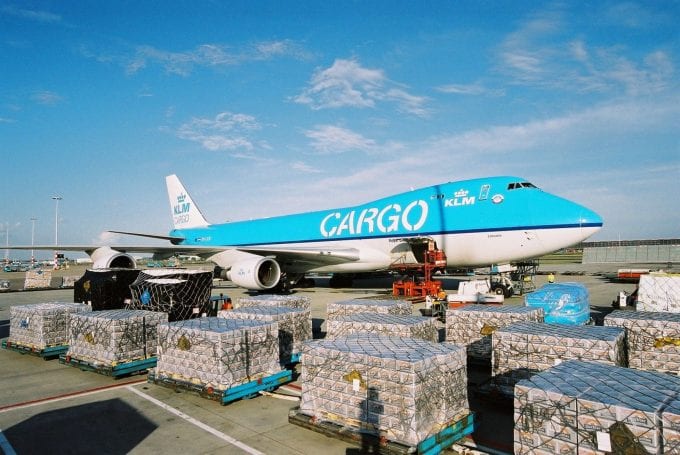
Credit: AF-KLM
By Alex Lennane
5 November 2026
KLM plans to consolidate cargo handling at Schiphol to accommodate additional freight without hiring more staff, as AI supply chains and disruption to ocean shipping strengthen parent Air France-KLM’s cargo business.
The changes form part of a wider restructuring, announced today, aimed at improving KLM’s finances and its ability to fund investment.
Freight carried on passenger aircraft and freighters will be handled in KLM’s own warehouse at Schiphol, said the airline, adding that the consolidation would help attract more transfer freight and prepare for a new cargo terminal, scheduled for completion in 2035.
“The increased cargo volumes will ultimately be handled without hiring additional employees,” KLM said.
It plans to achieve this through “simpler processes, greater automation and deploying employees across different activities”. It also intends to expand services for customers requiring additional support, although it gave no further detail.
The announcement follows conversations at last week’s TIACA Air Cargo Forum in Miami, where The Loadstar heard that AI infrastructure shipments were contributing to transit cargo flows through Amsterdam.
Air France-KLM’s third-quarter results provided evidence of the wider demand trend. Group cargo revenue increased 25.2% year on year, to €677m ($760m), while cargo traffic revenue rose 24.9%, to €566m.
The group attributed the growth to sea-to-air modal shift amid disruption around the Suez Canal and Strait of Hormuz, alongside AI-related demand.
“The surge in air freight demand driven by AI-related supply chains tightened global market conditions,” it said.
This helped the group win additional volumes and full-freighter charter business, supporting yields.
KLM’s cargo traffic, measured in revenue tonne-km, rose 15.7% against capacity growth of 4.5%. Its cargo load factor increased 5.2 percentage points, to 53.9%.
Across Air France-KLM, tonnage rose 5%, to 236,000 tonnes. Revenue per available tonne-km increased 21.9% at constant currency, with demand outpacing capacity growth. Scheduled and unscheduled maintenance constrained freighter availability.
Schiphol’s latest monthly figures show September cargo volumes of 127,750 tonnes, up 8% year on year, with growth of 10% over the first nine months. Freighters accounted for 54% of September tonnage, and belly cargo 46%.
Despite cargo’s performance, KLM said its overall profitability remained insufficient to support investment. Third-quarter adjusted operating profit rose to €458m, from a restated €352m a year earlier.
“Fuel prices continue to put pressure on our results, our cost base remains too high,” said KLM CEO Marjan Rintel.
The Dutch carrier is seeking a further €1bn improvement in annual earnings, taking its total target to €1.4bn, and at least an 8% structural productivity increase by 2028.
The wider programme involves around 5,000 positions whose work has been, or will be, reorganised, including transfers to external providers and the parent group. Productivity improvements are expected to result in approximately 1,000 fewer positions at KLM.
The airline expects to limit the impact through natural attrition, voluntary arrangements, and internal transfers.
来源:The Loadstar · theloadstar.com